
Objects, Ownership, and Return
Theodosia and the Serpents of ChaosThis thread examines how archaeological discovery becomes entangled with possession, political power, and the responsibility to return an artifact.
increasing Bearing strength in each event
 decreasing
Bearing strength in each eventdecreasingA Discovery Claimed
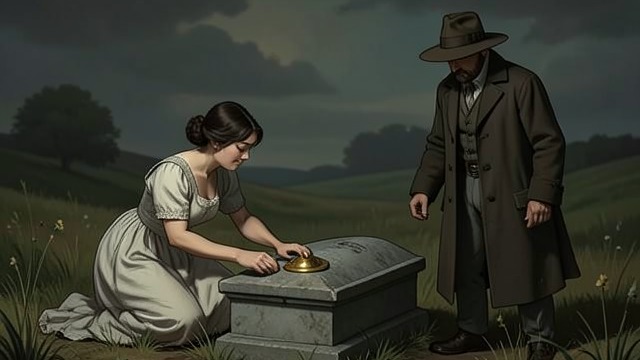
A Discovery Claimed
Excavation as achievement
Henrietta discovers the Tomb of Amenemhab and brings important objects to the Museum of Legends and Antiquities. The family sees the finds as scholarly triumphs and museum treasures.
Possession obscures risk
The Heart of Egypt is treated as a prize before its curse is understood. The story questions what it means to claim an object whose purpose and rightful place remain in Egypt.
A Prize for Institutions
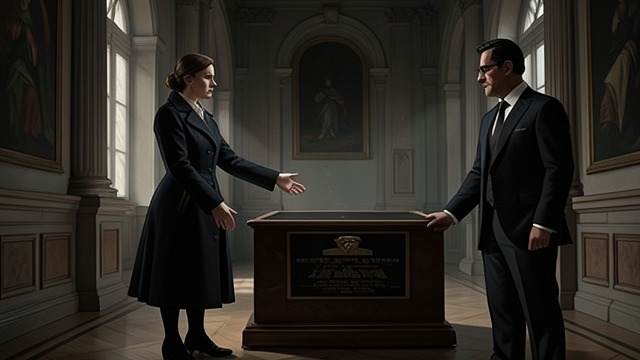
A Prize for Institutions
Institutional rivalry
Lord Snowthorpe wants to see the Heart, while the British Museum competes with the Throckmortons over Egyptian discoveries. Scholarly interest is mixed with prestige and possession.
A broader contest
The artifact’s value draws attention from curators, foreign agents, and secret operatives. Its movement becomes part of an international struggle rather than a neutral exchange of knowledge.
The Black Market
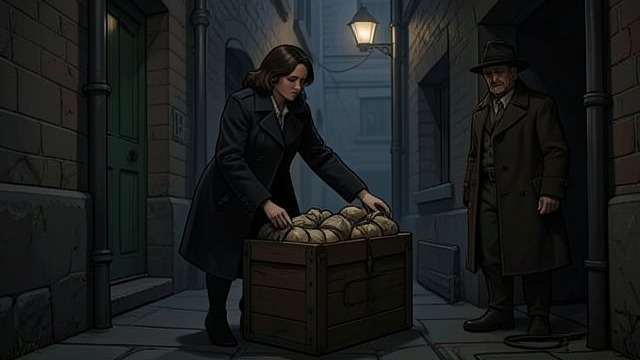
The Black Market
Objects as commodities
Theodosia encounters dealers offering ancient fragments and amulets to European visitors. The trade presents Egypt’s material past as something to be bought and carried away.
A warning about extraction
The bazaar’s illicit market echoes Von Braggenschnott’s smuggling network. The story places legitimate excavation and criminal trafficking in uneasy proximity without treating every transaction as equivalent.
The Artifact’s True Place
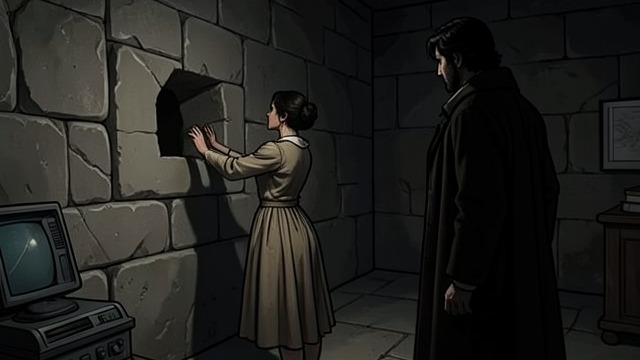
The Artifact’s True Place
A place made for the Heart
Theodosia finds the heart-shaped hollow in the hidden annex and understands that the Heart belongs there. Its meaning is tied to a specific tomb, not simply to its monetary or scholarly value.
Possession corrected
Returning the artifact recognizes that keeping it in a museum has prolonged danger. The story makes restoration, rather than acquisition, the necessary conclusion to the expedition.
A Discovery Shared
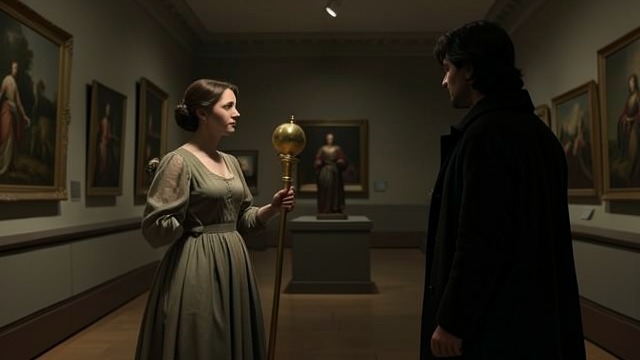
A Discovery Shared
Recognition in public
Alistair and Henrietta list Theodosia as the discoverer of the Was Scepter. Her name will appear in the museum exhibit, making her contribution visible.
Credit without ownership
The scepter’s recognition contrasts with the Heart’s return: some objects can be studied and displayed, while another must be restored to its proper resting place. The family’s pride comes from discovery, not unlimited possession.
During Henrietta’s excavation in Egypt
When Lord Snowthorpe arrives
During Theodosia’s day in Cairo
During the discovery of the hidden annex
After the family returns to the museum
